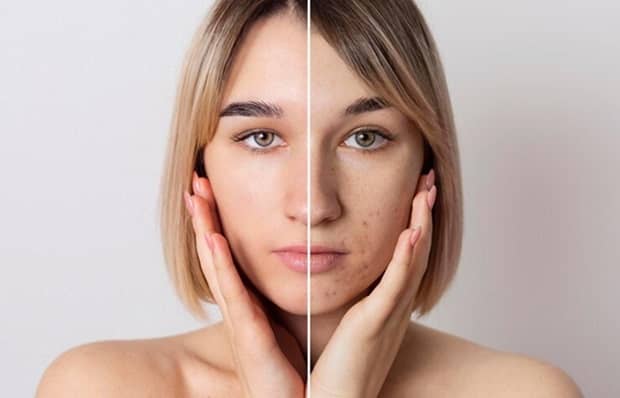

Skin type might be confusing. Many people spend years trying items without knowing their skin needs. Most skin issues fall into two categories: dry and oily.
Each requires different attention and might be frustrating. Many confuse these two skin types, leading to harmful habits.
What Makes Dry Skin Different
Dry skin feels tight or strained after cleansing. Natural oils that soften and bend the skin barrier are absent. Dry skin may have a persistent roughness. Because dry skin absorbs moisturiser fast, many people with dry skin feel better after applying it.
Dry skin reacts to the weather. Dryness is especially noticeable in winter. Dry skin may show more fine wrinkles. Because the skin’s protective barrier is less, even washing your face can sting.
Also common is flakiness. Peeling or dry areas may appear around the nose and mouth. It’s not always severe, but it’s frustratingly frequent. Dry-skinned people may find that no amount of cream lasts more than a few hours. Dry skin needs oil and hydration to balance.
Why Is Oily Skin Different?
Oily skin reacts differently. When sebaceous glands produce too much oil, the skin feels slippery or soft rather than stretched. A natural shine may appear in the mirror, especially on the forehead, nose, and chin. Some only notice this shine in the afternoon, while others struggle with it all day.
More pores are noticeable on oily skin. They’re not big, but oil makes them stand out. Since oils penetrate the foundation, makeup may not sit properly on the skin. Even with mattifying creams, many oily-skinned persons smear their faces many times a day.
With oily skin, breakouts are more prevalent. When oil and dead skin cells mingle, pores clog. Not everyone with oily skin gets acne, although the odds are higher. Since the nose and chin produce more oil than the rest of the face, some people see blackheads there.
Causes Behind Dry Skin

Dry skin has numerous causes—genetics matter. Skin loses moisture more quickly in people with lower oil production. Age is another reason since skin oil production decreases. This is why many people notice their skin dries with age.
Environmental factors also matter. Hot showers, cold air, and low humidity can dry out skin. Some soaps and cleansers can worsen dryness by aggressively removing the protective layer. People who spend long hours in air-conditioned environments often develop dry skin.
Exfoliating too much might cause dry skin. While exfoliating smooths skin, overuse can weaken the barrier. Compromises in the barrier allow moisture to escape, making skin itchy and tight.
Causes Behind Oily Skin
Oily skin is caused by sebum overproduction. This is generally genetic. If your parents have oily skin, you may too. Hormones also contribute to oily skin throughout adolescence and stress.
Heat and humidity activate oily skin. A brief walk on a warm day can revive one’s shine. Tropical people struggle more with greasy skin than chilly people. The skin produces more oil in response to the surroundings.
Certain skincare behaviours can accidentally increase oil production. Excessive cleansing dehydrates oily skin. The skin produces extra oil to compensate. This cycle makes the person think their skin is oily when it’s dehydrated and overworked.
Key Differences You Can Notice Daily
How your face feels a few minutes after bathing highlights the difference between dry and oily skin. Dry skin tightens and feels unpleasant, whereas oily skin shines rapidly. This simple observation might reveal your skin type without a professional.
Skincare products behave differently, too. On dry skin, moisturisers absorb immediately, but on oily skin, they may stay. Lightweight gels freshen oily skin but may not comfort dry skin. These small experiences indicate your skin type.
Even makeup behaves differently. The foundation may stick to dry places but melt or slip off oily skin after a few hours. These reactions can help determine skin type, although makeup performance often misleads.
How Dry Skin Should Be Cared For
Gentle care for dry skin. Mild cleansers work best because they don’t remove the skin’s natural oil. Hydrating toners and creams keep skin soft. Layering lighter products works better than using a hefty moisturiser for many people.
Seal moisture quickly after washing. Moisturise slightly damp skin to provide a longer-lasting barrier. This easy habit can soften and reduce flaking over time. Extremely hot water evaporates moisture faster than the skin can retain it, so avoid it.
Consistency matters too. Dry skin improves slowly with daily care. Missing your regimen may not seem like a huge problem, but it can cause dryness quickly.
How Oily Skin Should Be Cared For
Balance, not stripping, helps oily skin. A mild cleanser that eliminates surface oil without drying skin is great. Many are startled to find oily skin needs moisture. Dehydration causes it to create extra oil, worsening the shine.
Light gel moisturisers hydrate without being heavy and function well. Cleansing regularly prevents congested pores, but not too often. Finding the appropriate care makes oily skin easier to handle.
Clay masks sometimes help oily skin. These absorb excess oil without irritating the skin. They can significantly improve the skin’s look when used properly.
Can Skin Be Both Dry And Oily
Yes, it can. Combination skin is widespread. Many have oily foreheads, noses, and chins, but dry cheeks. Mixed behaviour might be perplexing since various regions of the face react differently to the same product. Knowing this helps you avoid treating your face as one skin type.
Lighter products in greasy regions and richer ones in dry parts work well. Slowly, the skin becomes more balanced and predictable. The improvements are worth the experimentation.